
The Science of Devotion: The 30,000-Year Evolution of Man’s Best Friend
From wild apex predators to loving companions: discovering the extraordinary biological journey that hardwired dogs to love us.
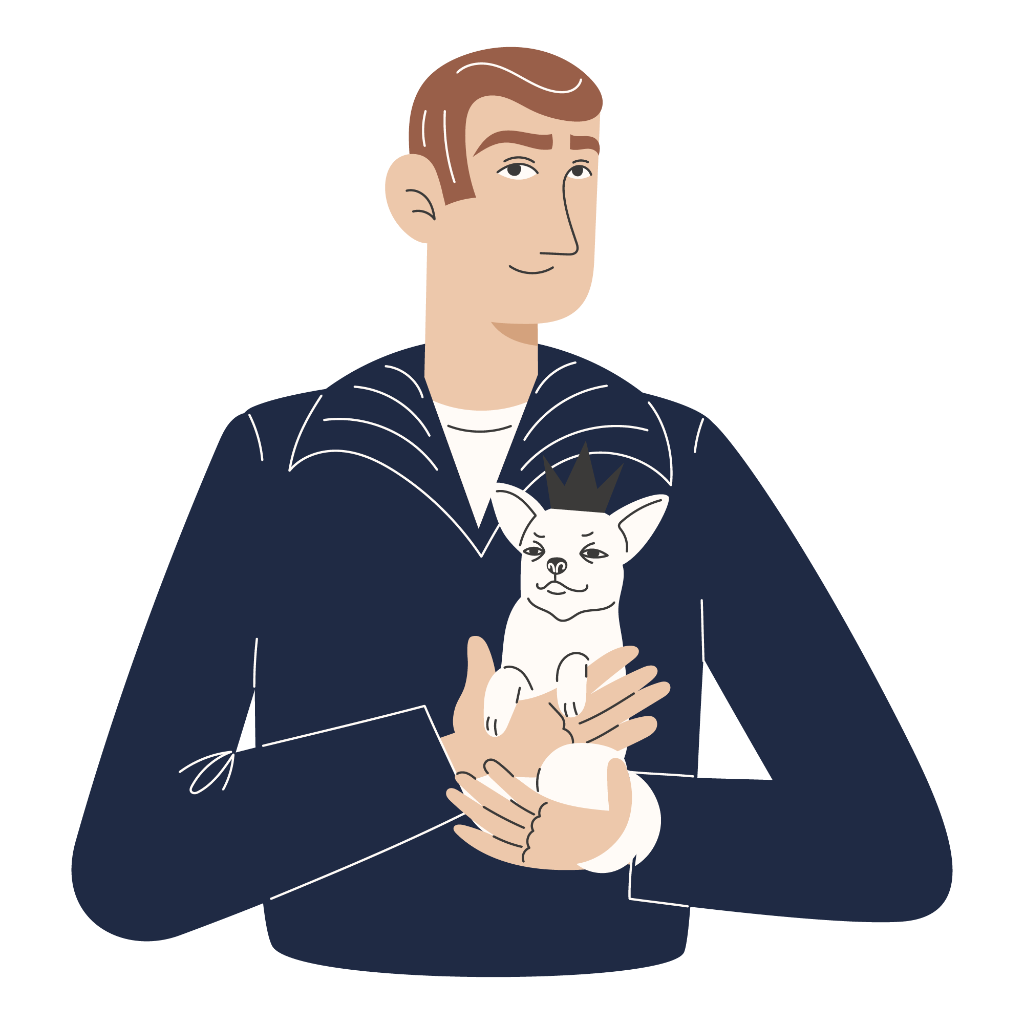
We all know the feeling: that deep, unspoken connection when your dog looks into your eyes, or the comfort they bring after a long day. As pet parents, we treat them as family because, emotionally, they are. But have you ever wondered how a wild apex predator transformed into the loving companion sleeping on your couch?
The answer isn't just a heartwarming story; it’s one of the most extraordinary biological and evolutionary journeys in history.
They Chose Us: The Myth of the "Alpha"
For decades, the popular belief was that ancient humans actively captured wolf pups, tamed them, and trained them to obey. Modern evolutionary biology, however, completely rejects this "alpha" narrative.
Dogs actually domesticated themselves. During the harsh conditions of the Last Glacial Maximum, the friendliest and least aggressive wolves realized that living near human camps offered a steady food source. Survival didn't go to the fiercest; it went to the friendliest. This natural selection for "tameness" altered their brain chemistry, lowering stress hormones like cortisol and inadvertently giving them floppy ears and shorter snouts—a phenomenon known as the "domestication syndrome."
The Ultimate Team
Once our species joined forces, we became an unstoppable team. This human-dog alliance was the key to our survival during the Ice Age. Dogs used their incredible olfactory senses and running endurance to track and corner large prey, while humans used projectile weapons to finish the hunt.
This brilliant division of labor kept both humans and dogs safer, maximizing our energy and helping us thrive in a hostile world. From serving as agricultural guardians in ancient Rome to becoming spiritual guides in ancient Egypt, dogs have molded their existence to fit perfectly into our lives.
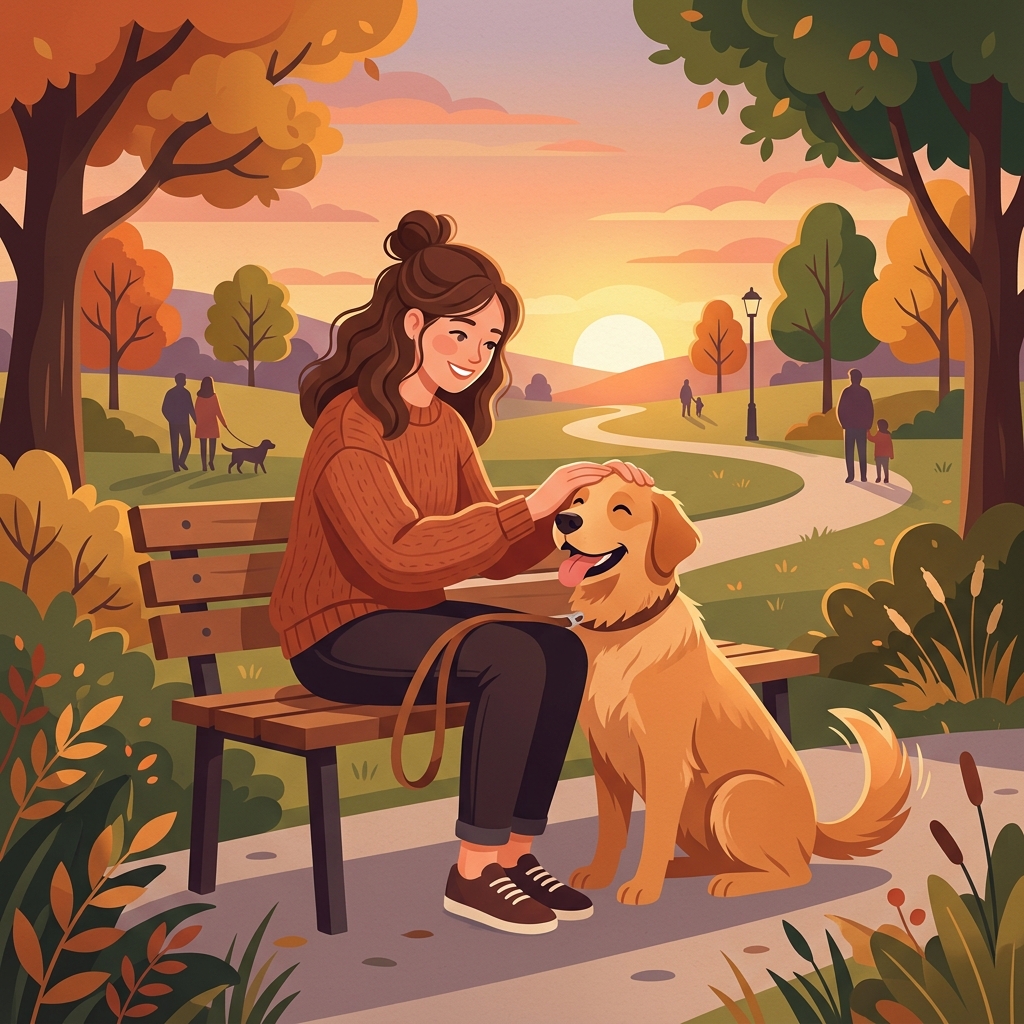
The Chemistry of Love: It’s In Our DNA
If you’ve ever felt like your dog can literally read your mind, science says you aren't entirely wrong. The bond we share today isn't just behavioral; it's molecular.
When you and your dog lock eyes, both of your brains release a massive surge of oxytocin, the exact same "love hormone" that cements the bond between a mother and her newborn. Interestingly, scientists tested this with highly socialized, human-raised wolves, and the result was completely different: wolves actively avoid eye contact, and the oxytocin loop does not occur.
Over millennia, dogs have developed a hyper-specialized neural capacity to absorb, translate, and intuitively react to our most subtle emotional shifts and stress levels. They are biologically wired to love us.
The Future: "One Health"
Today, the medical community embraces a paradigm known as "One Health", which recognizes that the physical and emotional well-being of humans is deeply intertwined with the health of the animals we share our homes with. From highly trained service dogs mitigating PTSD in veterans to the daily joy our pets bring us in modern cities, their vitality is essential to ours.
Because true care means giving them the best.
For over 30,000 years, dogs have adapted their entire biology to stand by our side, becoming our protectors, healers, and best friends. Don't they deserve nutrition that honors that incredible legacy?
At P.A.W.S. Nutrition, we believe that providing optimal health shouldn't be a chore. We skip the synthetic binders, heavy processing, and fillers found in traditional chews. Instead, we use "Clean Science" to formulate human-grade, ultra-fast absorbing powder supplements designed to work with their daily routine.
They’ve perfected how to care for us.
Now, it’s our turn. Just scoop, Sprinkle the Good Stuff.
Scientific Mentions & References
The Self-Domestication Paradigm: Evolutionary anthropologist Brian Hare established that dogs self-domesticated through natural selection for tameness and reduced aggression, rather than forced human capture.
The Invaders Hypothesis: Paleoanthropologist Pat Shipman mapped how the synergistic hunting alliance between modern humans and early dogs created an ecological advantage that helped drive Neanderthals to extinction.
The Oxytocin Loop: Clinical biometrics confirm that mutual eye contact between humans and dogs triggers identical oxytocin pathways, a neurochemical evolution not present in wild wolves.
One Health: The contemporary global medical framework dictating that human epidemiological resistance and emotional stability are inextricably linked to the well-being of companion animals.